
Case Study | Hand
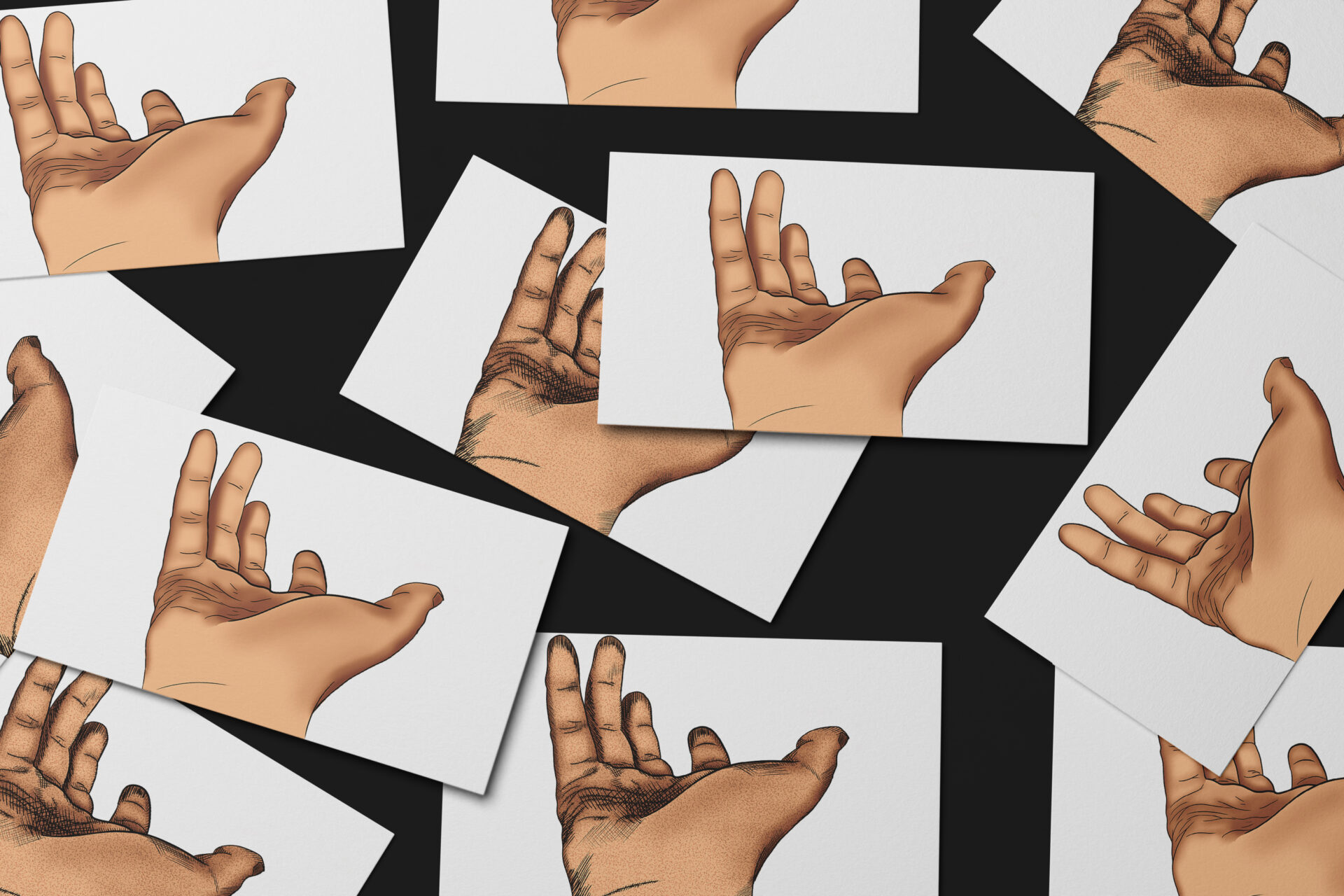
Hand Illustration | Sketch to Final Concept
About this project
For this project, the focus shifts from design to art. This study in anatomy and style began with an intensive exploration of sketching techniques, using my own hands as the primary reference through photography and observational drawing. The objective was to master the structural fundamentals of form and proportion. Those initial sketches into my own signature high-contrast, minimalist style, as well as adapting them to the distinct visual language of a more popularized artist.
Final | Black and White
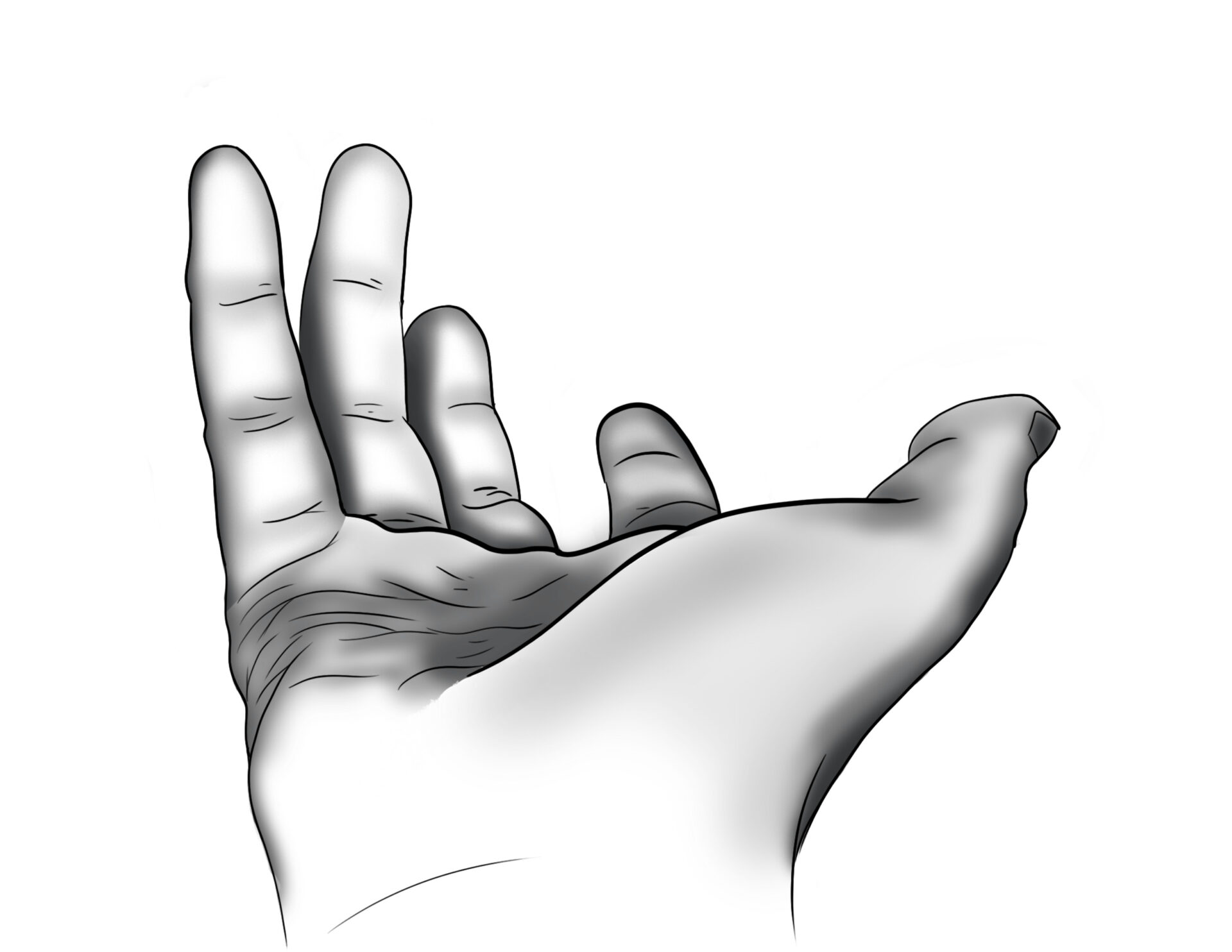
Final | Personal Style
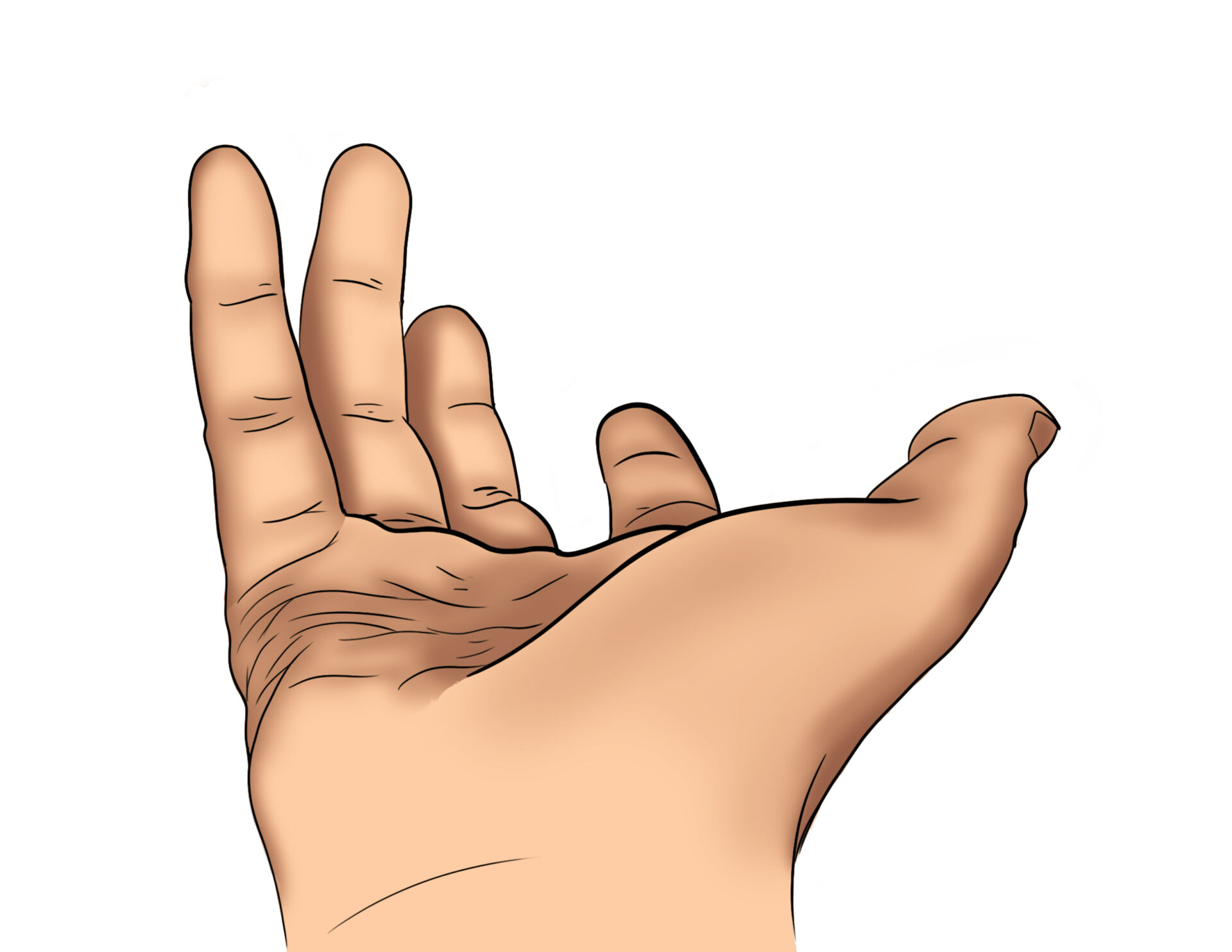
Final | Styled based on Masaaki Nakayama
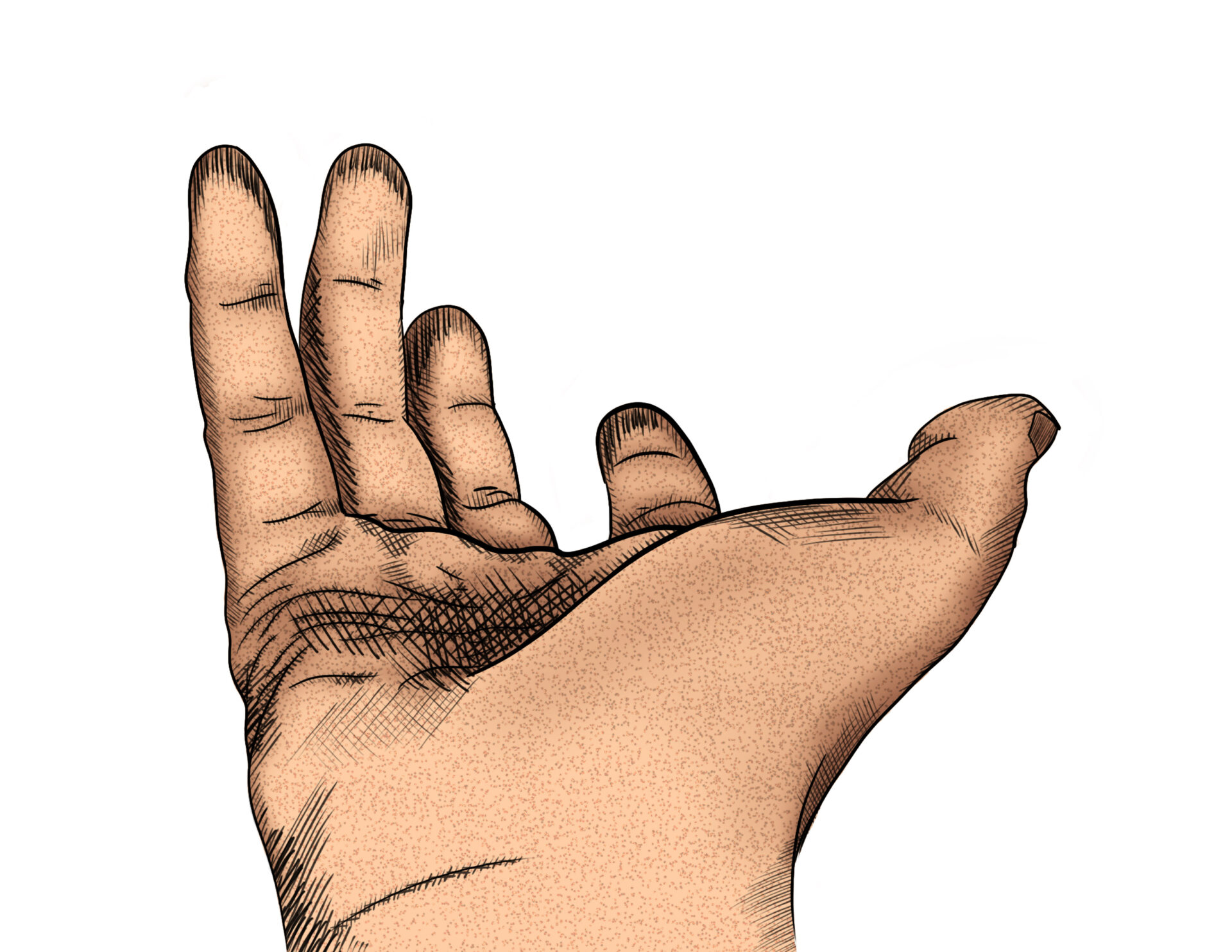
Sketching, Blocking and Shading
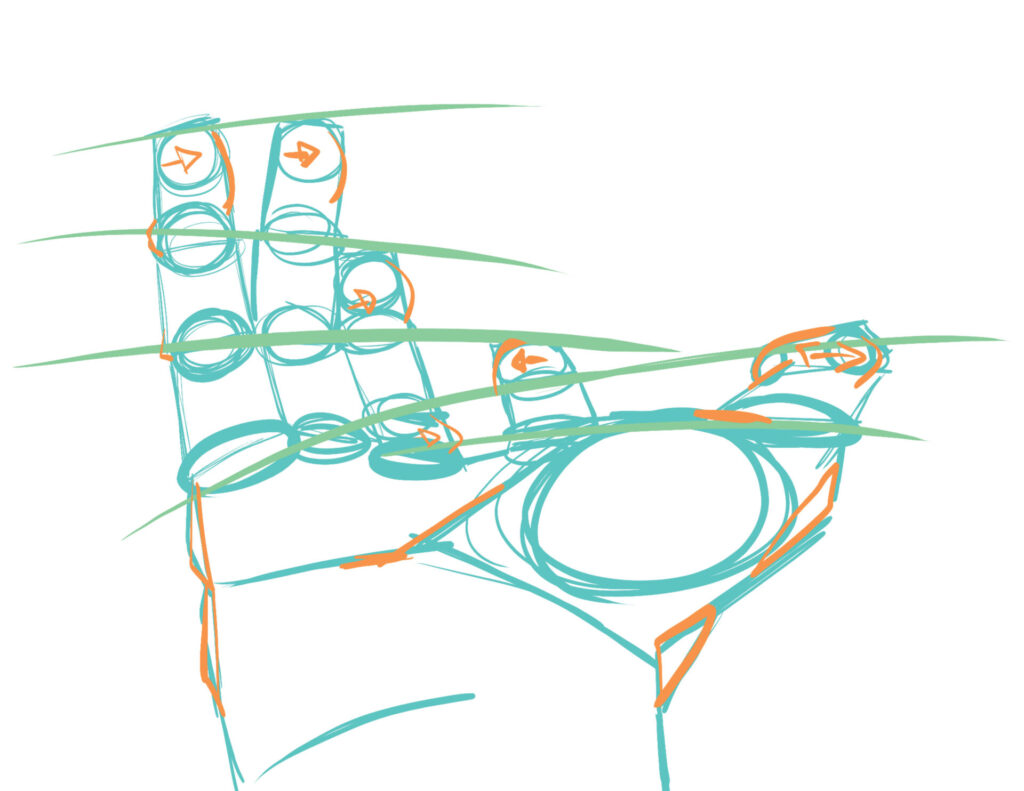
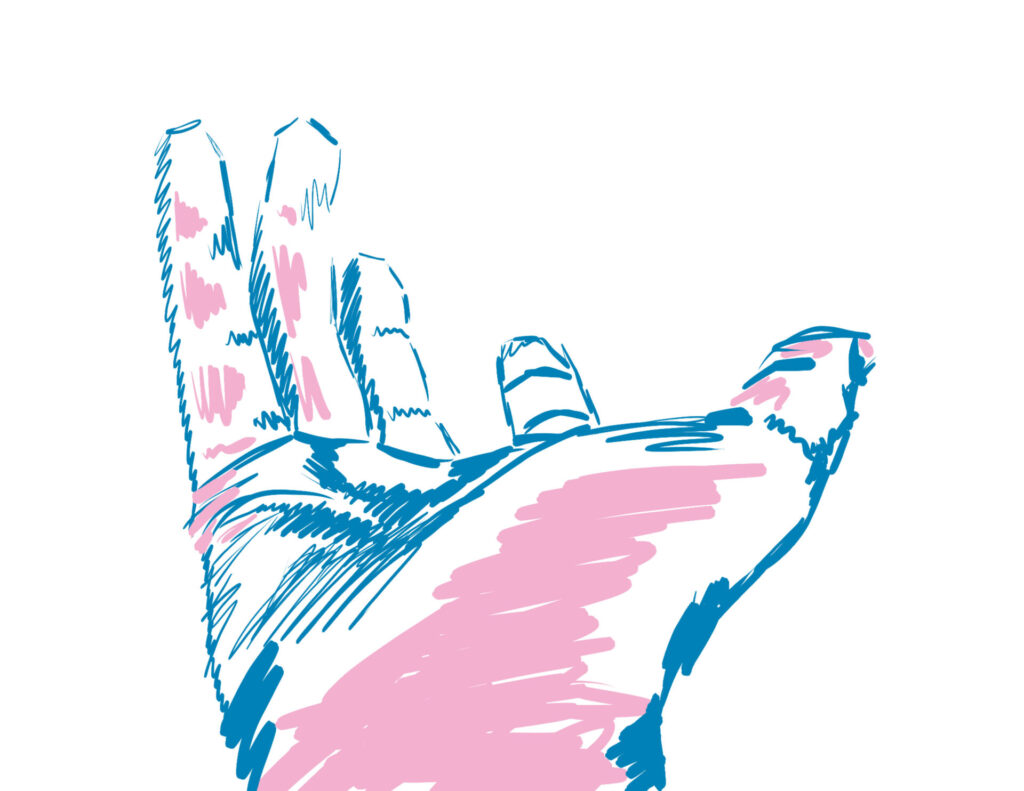
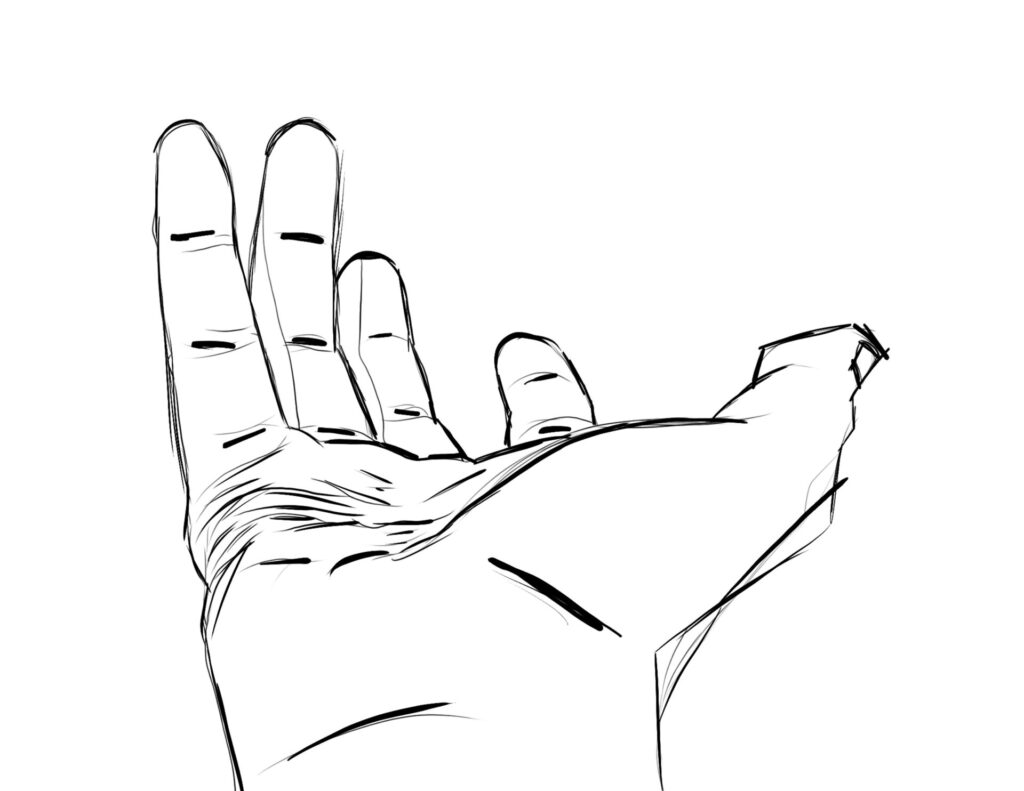
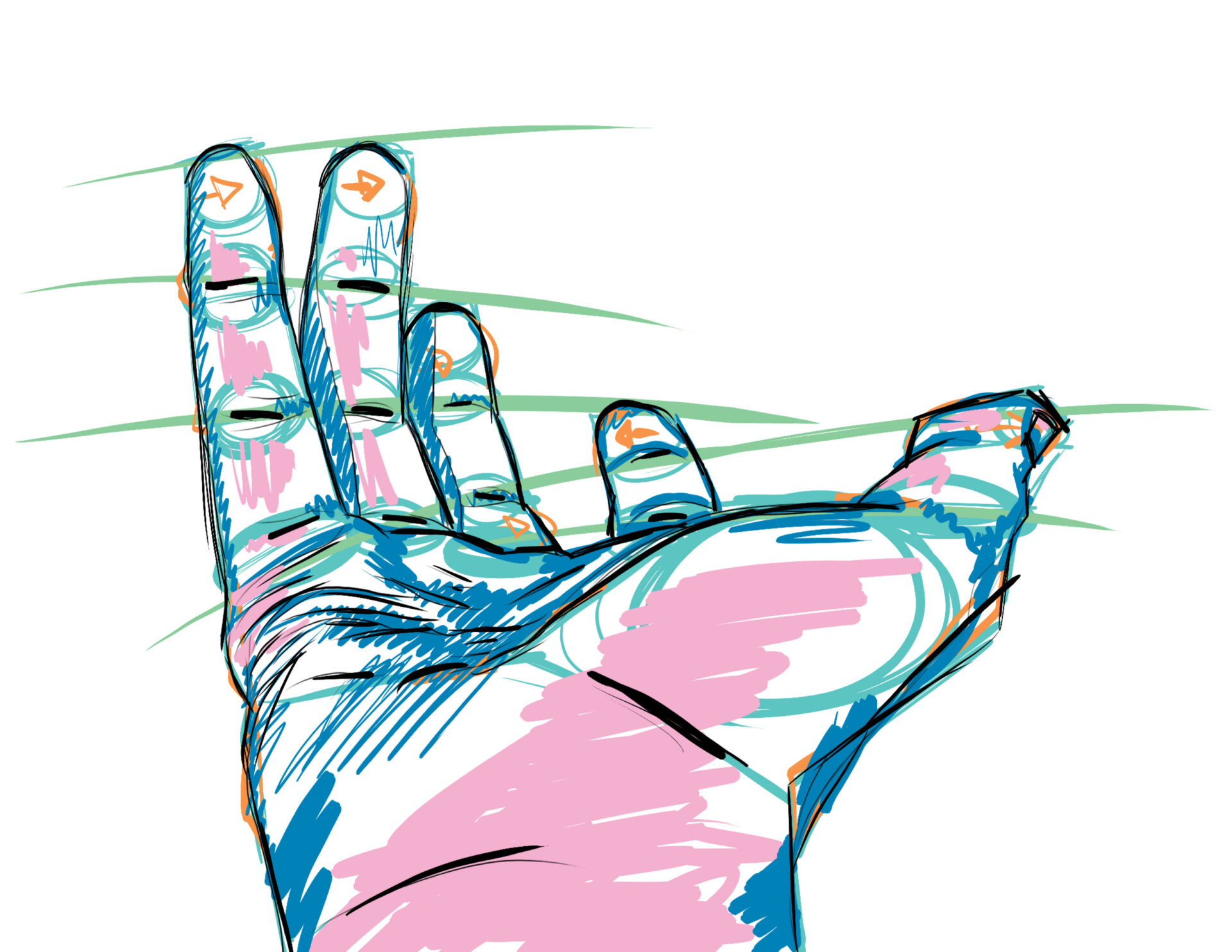
I began with blocking, using shapes on a dedicated layer to establish the core volume and orientation of the hand. This foundation allowed for a more accurate sketching phase, where I refined the contours and anatomical landmarks on a separate pass. To bring the study to life, I applied shading techniques focused on defining planes and light sources, ensuring the hands felt three-dimensional before any stylistic adaptation. For clarity during the production process, I utilized alternative, high-visibility colors for the blocking and shading layers; this ensured my final line work remained distinct and precise while the underlying layers overlapped to provide the necessary anatomical “map.”
Challenges
The primary hurdle of this project was managing the foreshortening and perspective of the thumb and fingers. Because the hand is one of the most complex anatomical structures to render, capturing the way digits overlap and recede into space required a high degree of precision. Navigating these perspectives was a critical exercise in spatial awareness, forcing me to rely on my photographic references.
Motivation
My motivation for this project stems from a long-standing interest in human anatomy and the structural mechanics of the body. I have always been drawn to the complexity of the human form, and I believe that mastering the “rules” of anatomy is essential before one can effectively break them.
My Favorite Part
The most rewarding aspect of this study was the adaptation phase, where I translated my sketches into two distinct visuals. My favorite part was seeing how the same anatomical foundation could be recontextualized. First into my own minimalist, high-contrast style, and then into the established aesthetic of a popularized artist. This exercise was a critical lesson in stylistic flexibility; it taught me how to adapt to new aesthetics and independent styles that differ from my own. It proved that a solid structural foundation allows a designer to pivot between diverse visual identities without losing the core integrity of the subject.
I began with blocking, using shapes on a dedicated layer to establish the core volume and orientation of the hand. This foundation allowed for a more accurate sketching phase, where I refined the contours and anatomical landmarks on a separate pass. To bring the study to life, I applied shading techniques focused on defining planes and light sources, ensuring the hands felt three-dimensional before any stylistic adaptation. For clarity during the production process, I utilized alternative, high-visibility colors for the blocking and shading layers; this ensured my final line work remained distinct and precise while the underlying layers overlapped to provide the necessary anatomical “map.”
The primary hurdle of this project was managing the foreshortening and perspective of the thumb and fingers. Because the hand is one of the most complex anatomical structures to render, capturing the way digits overlap and recede into space required a high degree of precision. Navigating these perspectives was a critical exercise in spatial awareness, forcing me to rely on my photographic references.
My motivation for this project stems from a long-standing interest in human anatomy and the structural mechanics of the body. I have always been drawn to the complexity of the human form, and I believe that mastering the “rules” of anatomy is essential before one can effectively break them.
The most rewarding aspect of this study was the adaptation phase, where I translated my sketches into two distinct visuals. My favorite part was seeing how the same anatomical foundation could be recontextualized. First into my own minimalist, high-contrast style, and then into the established aesthetic of a popularized artist. This exercise was a critical lesson in stylistic flexibility; it taught me how to adapt to new aesthetics and independent styles that differ from my own. It proved that a solid structural foundation allows a designer to pivot between diverse visual identities without losing the core integrity of the subject.